
It’s been a busy weekend, full of learning and unlearning, as Canada marks the 4th annual National Day of Truth and Reconciliation. This day is significant to me as an educator, as a granddaughter, as a mother, as a Canadian and as a citizen of the Métis Nation of BC. September 30th is a day dedicated to understanding Canada’s tragic treatment of Indigenous People, and a day for accepting our collective responsibility for Canada’s future. It is a day to remember the children whose lives were lost at residential school, and it is also a day to think critically about our current systems that continue to perpetuate inequities. Together, we can do better.
On Friday night, I was scrolling through social media, and came across this post:

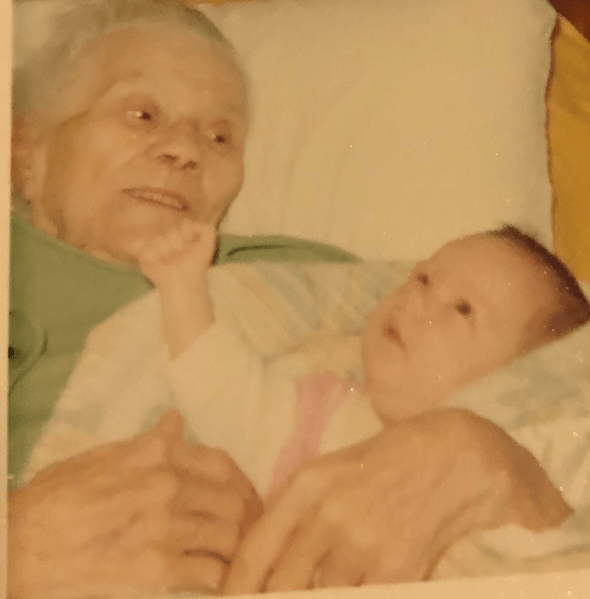
The post stuck with me. My family has been on a journey of relearning our story, as our Indigenous ancestry was hidden for two generations. By hiding her identity, my great grandmother was not able to pass on her language, her culture, or her school experience. In recent years, we have learned she spoke Cree and Michif, and her family played a significant role in the formation of Edmonton. Their Métis heritage is documented at the Indigenous People’s Experience in Fort Edmonton Park, and many of our family’s artifacts are on display at the Royal Alberta Museum. Given that little is known of my great grandmother’s school experience, I decided to dig deeper. While I do not have documents to confirm enrolment, I have found archives that confirm my great grandmother lived in Battleford Saskatchewan from 1895 (age 12) to 1911 (age 21). I also know her identity was not hidden as she was forced to sign scrip at age 21 taking her land as she was seen as a ‘half-breed’ (Métis). In reading about the school experience of Indigenous children in this area, it is safe to assume my great grandmother, Florence Rowland, attended the Battleford Industrial Residential School. https://www2.uregina.ca/education/saskindianresidentialschools/battleford-industrial-residential-school/
During the same years, my great grandfather, Herbert Price (also Métis) likely attended a residential school in Winnipeg. It is a stark feeling to awaken the past and sit with the emotion that those who loved you were treated so poorly in the country we know as Canada. My great grandmother passed away shortly after my birth, and unfortunately, our family did not discover her cultural identity until after her death. There are so many questions we would love to ask, and so much to uncover as we aspire for better days.
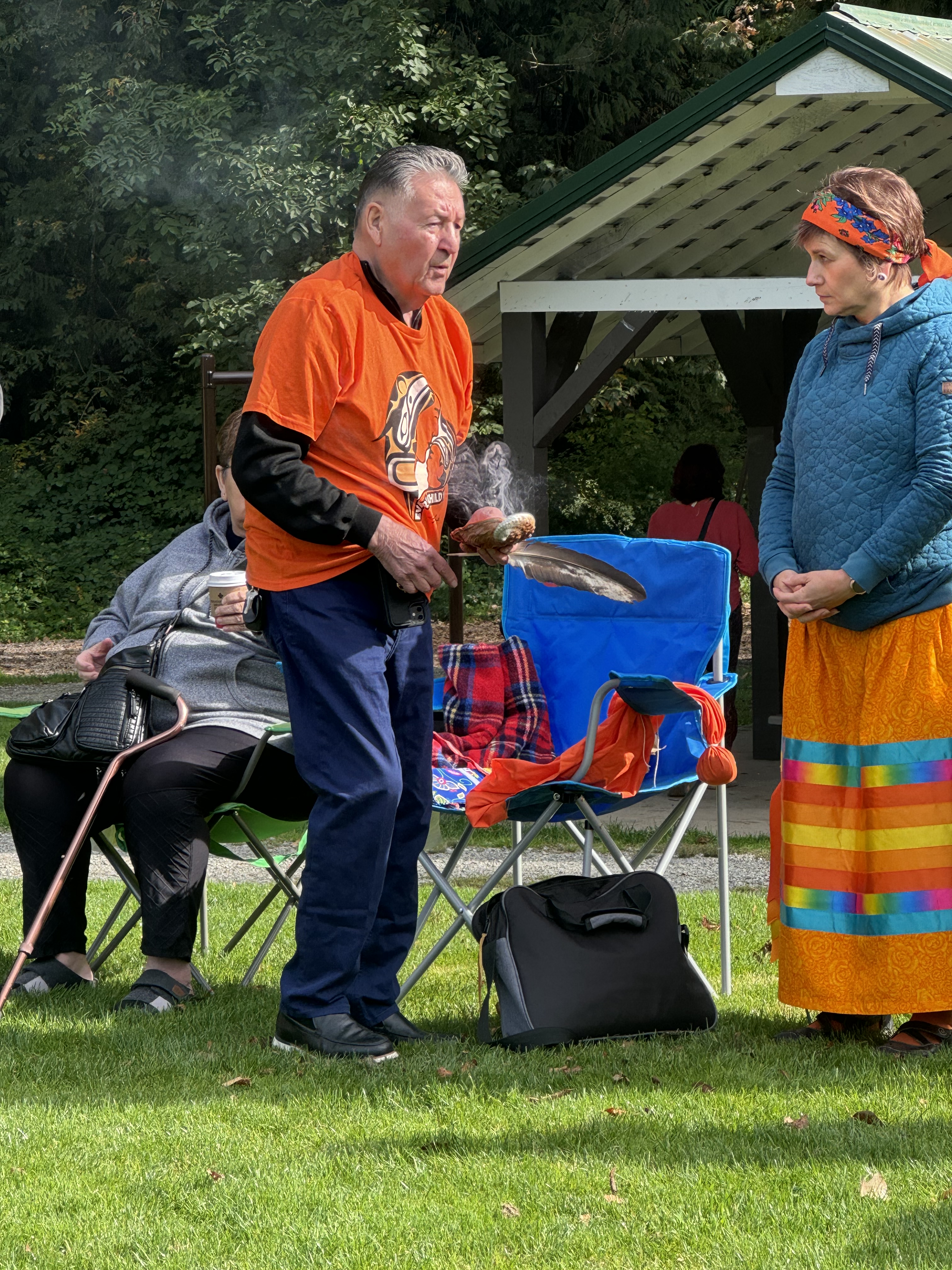
Earlier this morning, our family attended our first Métis ceremony, to acknowledge the National Day of Truth and Reconciliation. We participated in a beautiful healing circle, led by Elders Phillip and Betty Gladue. After smudging each child, adult, and senior, Phillip and Betty taught us about our culture, led us through ceremony acknowledging the land, and our ancestors, and then blessed the berries and bison stew that were shared in community. During the ceremony, eagles circled above, connecting us to the spirit world. It was a power moment to learn about our past, and accept responsibility for carrying cultural knowledge into the future. The Gladues spoke about Canada’s wrongs, while also celebrate resurgence and hope for the future.


In the afternoon, MRSS grade 11 student Halle and I headed to a neighbourhood where hope is not as abundant – Vancouver’s Downtown Eastside. While 5% of Vancouverites are Indigenous, those with Indigenous ancestry are vastly over represented along Hastings Street. Over 30% of Vancouver’s unhoused citizens are First Nations or Métis – many are survivors of residential schools, the 60’s scoop, or the foster care system. Residents of the neighbourhood waited in an hour long line to access a free orange shirt and a cookie- some in acknowledgment of the day, and others purely for survival. With the sound of beating drums in the background, Alfred shared his experience surviving 50 years in the Downtown Eastside. He was removed from his family and taken into foster care as part of the sixties scoop. His journey that followed included gang life, crime, addiction, and survival. He now takes great pride in his health, taking vitamins and working out daily. As a 63 year old in this community, he has beat the odds.


As the weekend comes to a close, I am full of conflicted emotions- sadness, confusion, curiosity, wonder, responsibility, and hope. I am grateful for educators, who are changing the stories we teach, hopeful for Canadians who have accepted the responsibilities of a better future, and thankful to our ancestors who are awakening their stories and guiding us towards Truth and Reconciliation.
 BEYOND HELLO: Rekindling the human spirit one conversation at a time
Kristi you are so thoughtful and generous. I love reading your stories. This story was so touching.
Thank you for sharing your stories. Marlene Edwards.